
7 Game-Changing Benefits of E-Invoicing for Malaysian SMEs
As Malaysia’s digital enterprise speeds up, the strategic importance of e-invoicing for improving operational efficiency and adherence to Malaysian SME tax legislation has become extremely critical. The term ‘e-Invoicing’ stands for electronic invoicing that automates, validates, and analyzes conventional invoice methods in real time, either wholly or without human intervention. Here presents the 7 best benefits from e-invoicing that will transform Malaysian business processes and give SME a business advantage.
What is SME Digitalization?
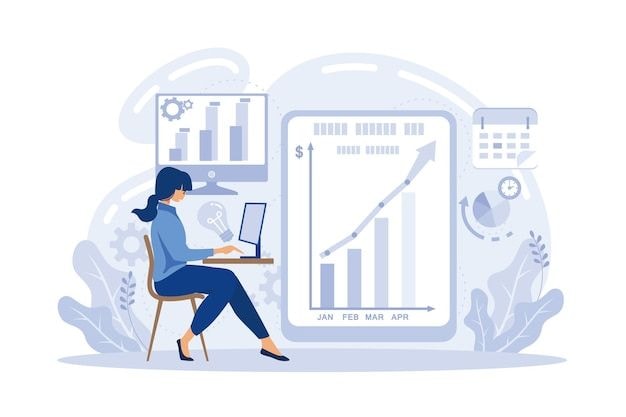
SME digitization integrates enterprise financial management, supply chain management, and customer interactions with different dimensions of digital technologies, thus making SMEs even more competitive and efficient in order to cope with various challenges in modern markets. This process is crucial for implementing electronic invoicing and automating invoicing processes, which streamline operations and improve accuracy.
The government of Malaysia provides digitalization grants to SMEs to facilitate this change. With such grants, some of the costs incurred in the adoption of the digital solution can be offset.
Creative sector SMEs will greatly benefit from the grants focused on digital content and products, including but not limited to animations, digital games, creative technology, and digital comics. This will help the SMEs in these creative industries to obtain support for the development and commercialization of their content for more competitiveness in the digitally transformed global marketplace.
An SME can apply through agencies such as MDEC or by logging on to official portals like the official website of MDEC regarding eligibility criteria and procedures. Normally, a project proposal that gives a roadmap on how digital tools will enhance business operations should be forwarded for assessment and subsequent approval.
Refer to the blog -> Building a Digital Finance Department: Tools & Best Practices
How does Electronic Invoicing affect Malaysia?
The reason for adopting e-invoicing supports the greater vision of Malaysia with respect to digital transformation and tax administration, it ensuring that the conduct of business operations is able to be done with more transparency and efficiency. This also furthers the government initiative of digitizing economies at large by way of uplifting the collection of taxes and reducing the chances of tax evasion. Furthermore, a shift towards digitized bills cuts down on paper wastage and, by extension, its environmental impacts; it hence contributes to sustainability in light of Malaysia’s environmental goals.
However, most enterprises do not know how to smoothly implement e-invoicing into their workflows, particularly when trying to integrate with existing processes. This is how Caltrix Asia can assist. Caltrix Asia focuses on digital evolution, which includes einvoicing Malaysia compliance and process optimization. Why not schedule a meeting to discuss this further? They are offering a consultation for free.

7 E-Invoicing Benefits for Malaysian SMEs
1. Cost Savings and Cost Reduction
Immediate benefits that e-invoicing can bring to any organization include significant operational cost savings with regard to operational processes, since avoiding paper invoices and manual data entry reduces printing, mailing, and storage costs. At the same time, automated invoice processing provides direct benefits such as save time consuming.
This reduction in such kinds of costs leads to a less expensive overall e invoicing process. E-invoicing solutions can be integrated into the business management system of any business enterprise in a totally non-disruptive manner, ensuring that no additional administrative overheads are created internally. The savings accrued over time can be invested in core business activities and further drive growth and innovation, resulting in significant cost savings over the long term.

2. Faster Payments, Better Cash Flow
E-invoicing makes it possible to send invoices quicker for faster payments. The digital format and automated processing imply that the invoices are sent instantly, with no potential delays existing as in traditional paper invoices.
This effectiveness improves cash flow and allows SMEs in Malaysia to address their financial responsibilities with timeliness. Real-time validation of invoice data promotes accuracy that reduces disputes over payments, fewer disputes and the need for credit notes, hence shortening the whole payment cycle. By reducing the risk of delays or errors, SMEs can better manage their cash flow and avoid the risk of cash shortages. Improved cash flow reduces volatility, and thus the SMEs can work out their working capital effectively and opens up avenues for them.
Check on the blog -> 5 Ways Xero Improves Cash Flow Management for Malaysian Businesses
3. Reduced Conflicts, Better Tax Compliance
Traditional invoicing methods are prone to human errors and disputes, especially in the case of manual entry. The accuracy will contribute to improved compliance with Malaysian tax laws and regulations enacted by the Inland Revenue Board. Besides, e-signatures and electronic documentation go a long way toward ascertaining invoice integrity and authenticity, saving SMEs from possible penalties arising from non-compliance. All this again helps in easier audits and recordkeeping.
4. Seamless Integration with ERP Systems
The new e-invoice system will integrate with existing company-wide ERP systems, enabling companies to adopt a completely digital process in which issuing of invoices, approvals, and maintenance of records are processed automatically. This system ensures more operational efficiencies since minimal manual interventions are involved, and hence quicker approvals of invoices are possible. It also ensures consistency in data across different business functions with minimal scope for errors and duplication.
5. Enhanced Data Security and Real-time Fraud Detection
With e-invoicing, your financial processes will be simplified, and enhanced fraud protection will be available with encryption, e-signatures, and more secure access controls to capture and store sensitive transactional information. SMEs in Malaysia will be able to value and protect their clients’ sensitive financial data by safeguarding invoice information, and more importantly, data protection laws will be followed. This valuable protection from losses and the enhanced business resilience will be appreciated by SMEs.
6. Better Customer Satisfaction and Business Reputation
E-invoicing enhances customer experience with information about invoices is quickly, more accurate, and available. Such transparency means trust and closer relations with clients. Following regulatory standards evidences professionalism that enhances the reputation of your business among partners and customers alike. In such a competitive market, it is this perceived reliability which might make all the difference in securing business relationships for the long haul.
7. Competitive Edge in the Digital Economy
This positions SMEs in Malaysia ahead of the game compared to competitors relying on manual invoicing. It will largely enable businesses to move swiftly with the tide of change in tax laws and digital invoicing advantages accruing across the world, including the European Union, the European Commission, and Latin America.
In this regard, the ability to issue invoices and process purchase orders digitally gives them a wide competitive edge in opening new markets and partnerships. Adopting digital invoicing and electronic documents brings innovation and forward thinking to the fore, ensuring improved customer satisfaction and a stronger market position.
Check on the blog -> Cloud Accounting vs Traditional Accounting: Why Malaysian Businesses Are Making the Switch

Way to Apply for an E-Invoice in Malaysia and Its Impact
The application for e-invoicing is relatively simple in Malaysia; SMEs first have to identify a credible e-invoicing system provider whose system meets the standards provided by the tax authorities. The chosen system shall support electronic format invoices, e-signatures, system integrations, and compatibility with cloud accounting software such as Xero. Once subscribed to, electronic invoices conforming to Malaysian tax regulation can be issued.
Adaptation will enable the Malaysian SMEs to better position the country for participation and prosperity in the digital economy, while promoting transparency as well. Technological progress in this aspect will reward the most flexible SMEs, especially those that are highly agile and able to embrace new technologies. Flexibility will allow these SMEs to better embrace the changes to the Malaysian economy, including annual turnover considerations.
Caltrix Asia can help businesses implement Xero, a leading cloud-based accounting software system, to help make the transition as smooth as possible. They are experts in combining Xero with e-invoicing for the digital transformation SMEs require by simplifying their compliance with e-invoicing.
Refer to the blog -> Is Xero Suitable for My Business in Malaysia?

Frequently Asked Questions (FAQs)
1. How do Malaysian SMEs guarantee the safety and security of e-invoicing?
Malaysian SMEs are thus suggested to go for such e-invoice service providers that can provide high levels of encryption protocols, secure login, and periodic security audits. Digital signatures, along with access controls, also play a very crucial role in maintaining the confidentiality of sensitive information in the invoices. The chances of a data breach can be further reduced by periodic updating of the security measures, along with training employees for handling security.
2. Does Malaysia have specific legal requirements related to the invoice issuances?
In Malaysia, e-invoicing is regulated by the Royal Malaysian Customs Department and the Inland Revenue Board of Malaysia in which uses specific file formats made to be interoperable in XML and allow digital signatures. The standard will be important in terms of easy integration with government systems, besides avoiding compliance issues.
3. What are the common issues and problems of SMEs in the implementation of e-invoicing, and how can these be addressed properly?
Of these, several challenges at the outset would include system integration, staff training, and investment costs. More friendly systems selection, thorough staff training and utilization of government grants can minimize change management issues. An easily planned system change can be achieved by using the appropriate level of professional assistance.
4. To what extent does e-invoicing impact the auditing of Malaysian SMEs?
E-invoicing’s machine-readable and traceable digital records streamline the audit process. Regulatory compliance becomes better with automated record-keeping, and access to real-time data reduces considerably the errors that can be made manually. This efficiency fosters reliability and speed of audits and reliability to the company’s financial reviewers.
5. How can Malaysian SMEs stay ahead, considering constant changes to e-invoicing technology and regulations?
The other guidelines have to be completed to remain compliant by the Malaysian government, the tax authorities, and industry associations on a regular basis. Finally, webinars, workshops, and networking events will keep one informed about the evolving standards and best practices. With that, one can be in front of developments in technology by being compliant and prepared for any change that may come along.

Alfred Ang
Alfred has led the company in helping over 500 SMEs successfully transition to digital platforms. With expertise in cloud accounting software implementation and other tech stacks. Alfred empowers businesses to access real-time, accurate financial data for informed decision-making. As a Chartered Accountant (CGMA, ACMA, and MIA member), he is driven by the mission to streamline traditional accounting processes. Alfred’s accomplishments include winning the Xero Award for Medium Accounting Partner of the Year in 2024.